Dry Walls and Floors Before Damage Becomes Permanent
Structural Drying in Stevensville for properties facing water saturation in framing, subfloors, and hidden cavities
Hatch & Son Restoration provides structural drying in Stevensville when water from leaks, flooding, or burst pipes saturates the framing, subfloors, and wall cavities that hold up your property. You need drying that reaches beyond surface materials and targets the moisture trapped inside wood studs, floor joists, and insulation. This service is for homeowners and commercial property managers who are preventing long-term structural damage and mold growth after water intrusion events.
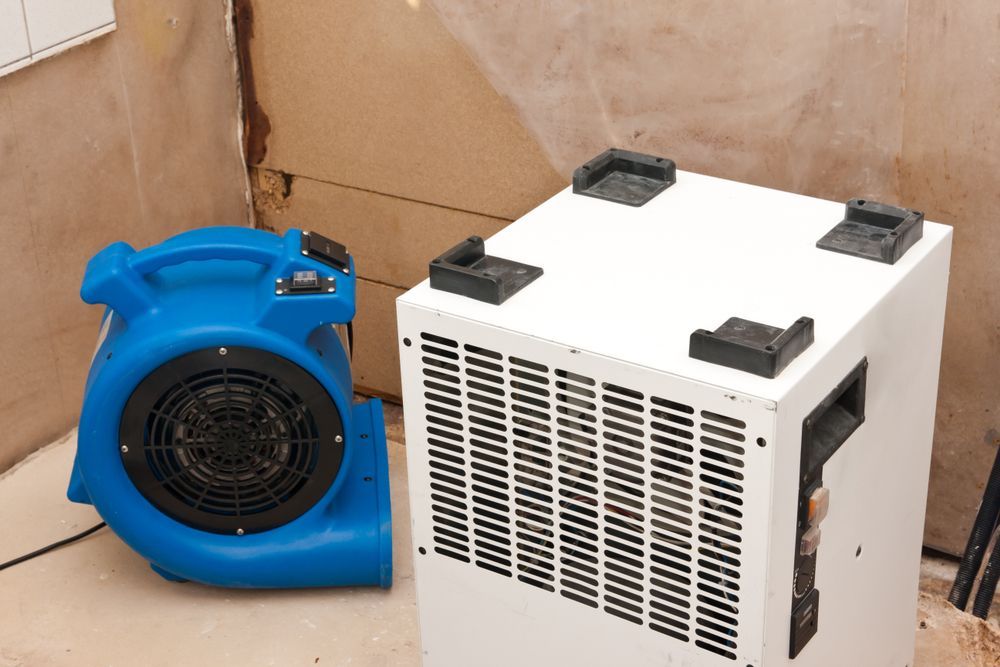
The work involves positioning commercial-grade air movers and dehumidifiers to create airflow and reduce humidity throughout the affected area. Moisture meters are used to measure water content in framing, drywall, and flooring at the start of the process and at regular intervals until readings confirm that materials have returned to a dry standard. Coastal humidity in Stevensville slows natural evaporation, so controlled drying with professional equipment is necessary to prevent warping, swelling, and microbial growth.
If you are managing water damage and need to dry structural components before rebuilding or finishing, contact Hatch & Son Restoration to begin monitored drying in Stevensville.
How Structural Drying Protects the Integrity of Your Property
You will see air movers positioned to direct airflow across wet surfaces and into wall cavities through small access holes, while dehumidifiers pull moisture from the air and drain it continuously. Thermal imaging cameras identify areas where water has pooled or soaked into hidden spaces, allowing technicians to focus drying efforts where they are needed most. Drying mats may be placed under hardwood or tile to extract moisture from the subfloor without removing the finished surface.
Once drying is complete, you will notice that floors are solid underfoot, walls no longer feel cool or damp to the touch, and the musty odor that follows water damage has cleared. Hatch & Son Restoration provides documentation of moisture readings and drying progress that meets insurance requirements and confirms the structure is ready for restoration or occupancy.
The service does not include replacing damaged finishes or rebuilding structural elements, but it does stabilize the building so that repair work can proceed on a surface that will not support mold or continue to degrade. If materials such as insulation or drywall are too saturated to dry effectively, those components are removed to expose the framing for faster and more complete drying.
What You Should Know About Drying Structural Components
The following questions address the methods, timelines, and outcomes involved in structural drying work in Stevensville and nearby areas.
Why is structural drying necessary after water damage?
Water that penetrates framing, subfloors, and wall cavities does not evaporate quickly on its own, especially in humid coastal climates, and will cause wood to swell, warp, or support mold if not dried with controlled airflow and dehumidification.
How long does it take to dry structural materials after flooding or a leak?
Drying typically takes three to five days depending on the extent of saturation, the type of materials affected, and ambient humidity levels, with daily moisture readings used to track progress and determine when equipment can be removed.
What equipment is used during structural drying?
Commercial air movers create high-velocity airflow to accelerate evaporation, while low-grain refrigerant or desiccant dehumidifiers remove moisture from the air, and moisture meters measure water content in wood, drywall, and concrete.
Can structural drying prevent mold growth after water damage?
Yes, drying materials within 24 to 48 hours significantly reduces the risk of mold colonization, but if water has been present for several days, mold may already be growing and will require separate remediation in addition to drying.
Does Hatch & Son Restoration monitor moisture levels throughout the drying process?
Yes, technicians take moisture readings at the start and continue daily monitoring to track drying progress and adjust equipment placement, providing documentation that confirms structural stability for insurance and rebuilding purposes in Stevensville.
Hatch & Son Restoration responds to water intrusion across Stevensville with the drying equipment and moisture monitoring needed to protect your property from long-term structural damage. Reach out when you need drying that goes beyond surface cleanup and ensures stability before repairs begin.